
Fuel Oil Surges 58%: How Canada’s 3.1% Inflation Drives Real Rates, the CAD, and Precious-Metal Prices
Canada’s fuel oil jump fuels 3.1% inflation, lifts real rates and the Canadian dollar, see the ripple effect on gold and silver for investors.
Fuel Oil Surges 58%: How Canada’s 3.1% Inflation Drives Real Rates, the CAD, and Precious-Metal Prices
Canada inflation 3.1 percent has jumped into the headlines after a dramatic rise in energy costs. The spike was sparked by a 57.8% year-over-year increase in fuel-oil prices, which lifted the national consumer-price index (CPI) to 3.1% in September.
Gold traded at $4,141 an ounce on 19 October 2026, down 0.2% against the London afternoon fix, according to GoldPrice.com’s live prices.
What triggered Canada’s latest inflation spike?
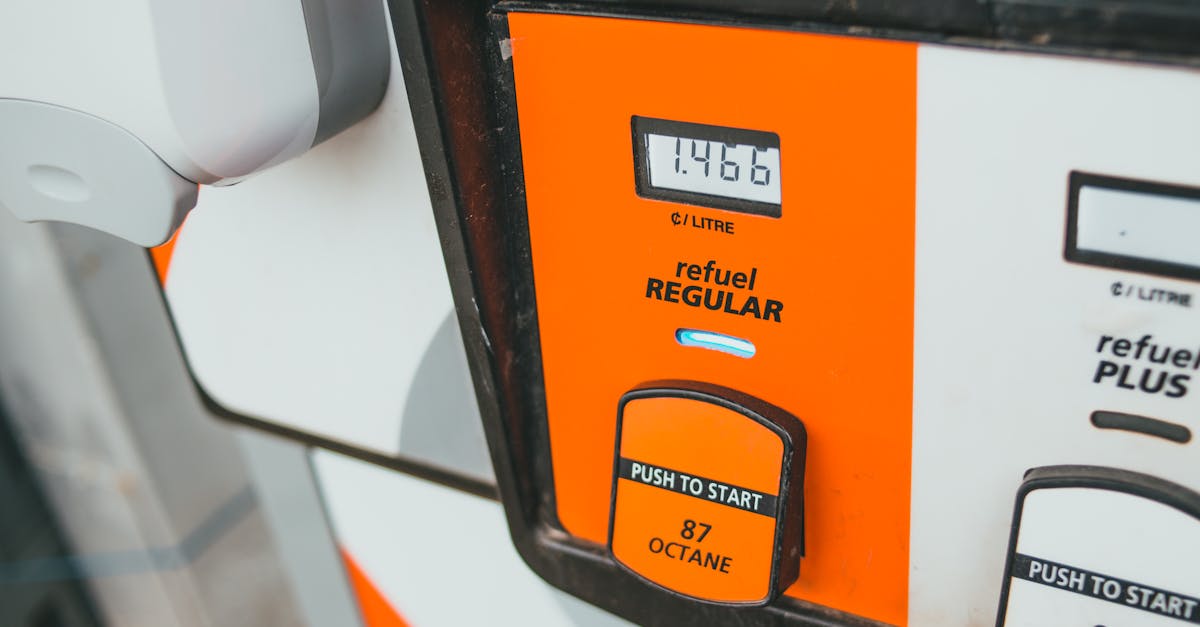
Fuel-oil prices surged 57.8% compared with a year earlier, while gasoline rose 27.8% despite a switch to a cheaper winter blend. Together they pushed the overall energy index up 19% and helped the CPI climb to 3.1% in September. The underlying driver is the ongoing geopolitical tension in the Middle East, which has kept global oil supplies tight and fuel costs elevated.
Oilprice.com
How a 58% fuel-oil surge translates into higher real interest rates
When headline inflation rises, the Bank of Canada may respond by tightening monetary policy. Higher CPI pressures the bank to consider raising its policy rate, which lifts nominal rates. Because real rates are calculated as nominal rates minus inflation, an increase in nominal rates can turn real rates positive. Investors watch real rates closely: a higher real rate raises the opportunity cost of holding non-yielding assets such as gold and silver, often weighing on spot prices.
Commodity-linked currency influence
Commodity-linked currencies such as the Canadian dollar are often influenced by global oil price trends. Changes in oil prices can affect the exchange rate, which in turn can impact the local price of gold and other precious metals.
Direct impact on gold prices, domestic vs. international investors
The rise in real rates raises the cost of holding gold, which yields no interest, creating pressure on spot gold. At the same time, a firmer CAD reduces the price of gold when expressed in Canadian currency. For Canadian investors this can mean a double effect: higher real rates and a stronger domestic currency. By contrast, U.S. investors mainly feel the real-rate effect, as the dollar-denominated price of gold is less influenced by the CAD’s movement.
Silver’s sensitivity to energy-driven inflation
Silver’s industrial applications tie its demand more closely to energy costs than gold. When fuel-oil prices climb, production costs for electronics, solar panels and other metal-intensive goods rise, which can temper silver’s price gains. Although higher real rates still act as a headwind, the CAD’s influence is muted because most silver trading is dollar-based. In the short term, sustained inflation could give silver modest upside, but persistently high real rates are likely to suppress longer-term price appreciation.
Strategic takeaways for gold and silver investors
- Keep an eye on Bank of Canada policy statements for clues on the real-rate trajectory.
- Consider CAD-hedged gold ETFs or holding gold in U.S. dollars to offset currency drag.
- For silver, focus on positions linked to industrial exposure rather than a pure inflation hedge.
FAQs, Quick answers for commodity traders
Q: Does a higher Canadian CPI always mean lower gold?
A: Not always; real rates and the CAD move together, but global demand can offset the effect.
Q: How quickly does fuel-oil price news feed into metal prices?
A: Typically a few weeks for price discovery in futures markets.
Q: Should I hedge my Canadian-denominated metal holdings?
A: Yes, especially when real rates rise and the CAD strengthens.
In a market where energy costs are volatile, understanding the chain from fuel-oil prices to inflation, interest rates, currency moves and finally to precious-metal valuations is essential for any investor looking to protect wealth or capture upside.