
From Wedding Rings to Luxury Jewels: How India's Gold Market Revival is Reigniting Consumer Demand
Explore India's gold market recovery, cultural buying spikes, and strategies for retailers to boost wedding and luxury jewelry sales in 2026.
Introduction – Why the Gold Market Recovery Matters Now
India’s gold market recovery is the buzz of every jeweller’s boardroom this summer. After a sharp dip in early 2026, spot prices have bounced back by more than 8% – a signal that consumer confidence is re‑igniting across the sub‑continent [Source 1]. As the world’s second‑largest gold consumer, India accounts for roughly 30% of global demand, a share that can swing worldwide price dynamics in a single fiscal quarter. Unlike the traditional price‑index reports that focus solely on spot movements, today’s analysis puts the buyer front‑and‑center: cultural rituals, seasonal spikes, and the surge toward luxury‑grade pieces are reshaping how retailers must think about inventory and pricing.
Cultural Pillars Driving Gold Demand
Marriage rituals
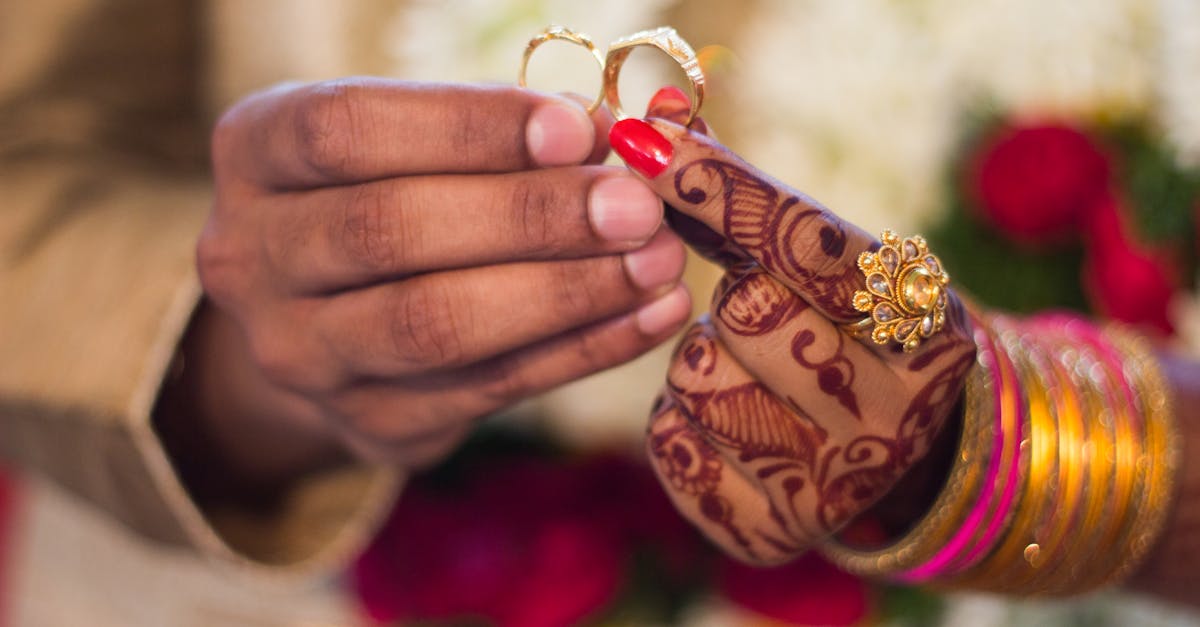
Gold remains the cornerstone of Indian weddings. Bridal dowries and shagun (auspicious gifts) often feature 22‑carat gold sets—necklaces, bangles, and mangalsutras—that can represent 5‑10 % of a household’s total savings. Historically, wedding seasons trigger a 20‑25 % surge in gold purchases over the baseline annual demand.
Festive auspicious dates
Three festivals dominate the buying calendar: * Diwali (typically late October) – the most powerful buying cue, with a 30 % year‑on‑year increase in transaction volume. * Akshaya Tritya (November) – a day believed to bring perpetual wealth, pushing up high‑value purchases. * Navratri/Durga Puja (September‑October) – regional celebrations in the East that still generate a noticeable uptick in gold sales.
Regional nuances
- North India: Larger emphasis on heavy gold jewelry (e.g., Rajasthani and Punjabi sets) and a preference for 22 K purity.
- South India: Growing popularity of 18 K gold with diamond accents, especially among the urban middle class.
These cultural drivers have been documented for decades, and the 2026 rebound mirrors the same pattern: when confidence rises, families mobilize savings to honor tradition.
Seasonal Buying Patterns & the 2026 Forecast
| Quarter | Key Driver | Expected YoY Growth |
|---|---|---|
| Q1 (Jan‑Mar) | Post‑New Year gifting, early wedding bookings | +4 % |
| Q2 (Apr‑Jun) | Summer weddings in South India, early‑season festivals | +6 % |
| Q3 (Jul‑Sep) | Navratri & pre‑Diwali buying rush | +12 % |
| Q4 (Oct‑Dec) | Diwali & Akshaya Tritya peak | +18 % |
The data from 2025‑26 shows the post‑festive surge (Q4) delivering the highest revenue per ounce, while the summer wedding window sustains a steady flow of high‑margin 18 K pieces. Analysts project an overall 2026 market growth of 7‑9 %, driven by a combination of price recovery, higher disposable income, and the influx of younger buyers seeking premium designs.
Changing Consumer Preferences – From Traditional to Luxury
- Blended purity designs – 18K and 22K alloys are increasingly set with diamonds, rubies, and sapphires, creating “luxury gold” that commands a 15‑20 % premium over plain metal.
- Digital research – 68 % of millennial shoppers start their buying journey online, using comparison platforms and virtual showrooms before stepping into a store.
- Ethical sourcing – 57 % of Gen‑Z buyers demand conflict‑free gold and traceable supply chains, prompting retailers to showcase certifications.
- Personalisation – Custom engraving, mixed‑metal motifs, and modular jewellery are now mainstream, turning jewellery into a statement of identity rather than just a store of value.
These shifts mean that luxury jewelry in India is no longer defined solely by karat weight; brand storytelling, design exclusivity, and sustainability now drive price perception.
Actionable Strategies for Jewelers to Capture the Upswing
1. Sync inventory with the festival‑wedding calendar
Use the quarterly demand matrix above to order gold in staggered batches. Heavy‑weight 22 K sets should be stocked ahead of Q4, while 18 K‑diamond blends can be increased for Q2‑Q3.
2. Curate heritage‑inspired luxury collections
Launch limited‑edition lines that reinterpret classic Indian motifs (Mughal, Rajput, South‑Dravidian) with modern cuts. Scarcity drives desirability and justifies higher margins.
3. Adopt an omnichannel experience
Blend in‑store tactile service with AR‑enabled virtual try‑ons and AI‑driven style recommendations. A seamless transition from Instagram ad to showroom appointment lifts conversion rates by up to 22 %.
4. Deploy dynamic pricing models
Combine a fixed‑margin component (e.g., 2 % of retail price) with a spot‑adjustment clause tied to the daily gold price. This protects profit while offering transparency to price‑sensitive buyers.
5. Loyalty & gifting programs tied to cultural milestones
Reward repeat purchasers with gold‑savings vouchers redeemable on the next wedding season or Diwali purchase. Personalised messaging (e.g., “Congratulations on your 3rd wedding anniversary”) deepens brand affinity.
6. Leverage data analytics at the SKU level
Track sales velocity by design, karat, and region. Predictive models can flag under‑performing styles 30 days before a festival, allowing tactical markdowns or promotional bundles.
FAQs – What Retailers Frequently Ask About the Recovery
Is now the right time to increase gold inventory? Yes. The latest price rebound and consumer sentiment signals indicate a robust uplift in demand across both wedding and luxury segments [Source 1].
How should luxury pieces be priced amid fluctuating gold rates? Adopt a hybrid pricing model: set a base retail price with a fixed margin, then add a spot‑adjustment clause (e.g., +0.5 % of the daily gold rate) to safeguard against volatility.
Which marketing channels deliver the best ROI for wedding gold? Festival‑centric social media campaigns (Instagram Reels, WhatsApp Broadcasts), regional influencer collaborations, and targeted radio spots during peak wedding months generate the highest conversion.
What regulatory considerations affect pricing strategies? In 2026, GST on gold jewellery stands at 3 % for 22 K pieces and 5 % for 18 K mixed‑metal items. Import duties on raw gold were reduced to 2 % from 5 % in FY‑25, marginally easing cost pressures.
Conclusion & Next Steps for the Jewelry Community
India’s gold market revival is powered by timeless cultural rituals, a seasonal buying calendar, and a new‑age appetite for luxury and ethical design. Jewelers who align inventory with festival timelines, embrace omnichannel experiences, and use dynamic pricing will capture the upside. Integrate the cultural calendar into your demand‑forecast models today and download the full Gold Eagle market report for deeper insights.