
Eni’s Fuel Price Cap May Ease Refining Costs Amid European Refining Crunch
Eni caps fuel prices, lowering precious-metal refining costs and fueling gold and silver price gains. See the impact on real rates, the dollar, and central-bank buying.
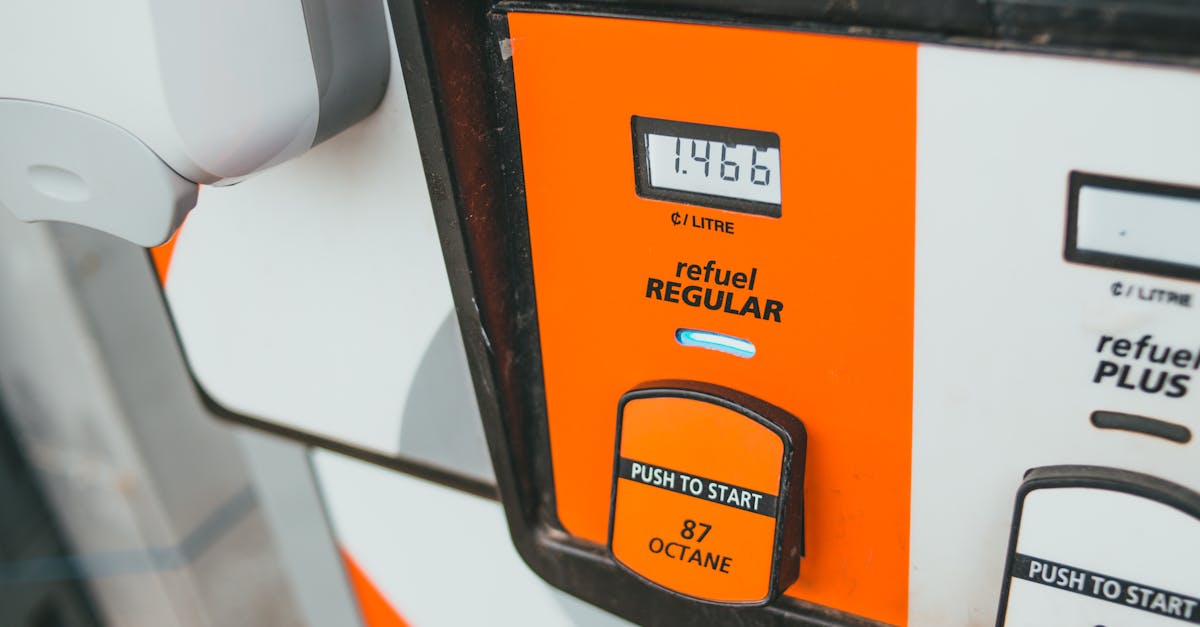
Eni’s new fuel price cap is being watched by market observers for possible indirect effects on metal-refining costs. By capping diesel at €2.19 per litre and petrol at €1.99 per litre, the company is offering fuel about €0.17 per litre below the prevailing market level. The measure, linked to Italy’s temporary excise-tax relief, is designed to ease cost pressure on households and industrial users as European refining capacity tightens.
Gold traded at $4,149 an ounce on 28 September 2026, down 2.6 % against the London afternoon fix, according to GoldPrice.com’s live prices.
What is Eni’s fuel price cap and why it matters
Eni announced that starting 28 September the company will limit the price of diesel sold through its Enilive stations to €2.19/L and the price of petrol to €1.99/L. The caps sit roughly €0.17/L below the average market price at the time of the announcement. The policy is tied to the current excise-tax relief in Italy and is intended to blunt rising pump prices that have been driven by a European refining crunch. The cap will initially be in place for 30 days and contains a clause that allows extension through 2026 if market conditions remain tight. By providing a predictable ceiling, the cap gives industrial users, including metal refiners, a clearer cost outlook.
Potential implications for precious-metal refining
Diesel and petrol are key inputs for furnace fuel and for transporting raw material to and from refineries. A reduction of €0.17/L in fuel cost could lower the operating expense of European metal smelters. Because Europe’s refining capacity is currently constrained, lower fuel costs may help refiners address the 3-4 month backlog reported at several silver-refining plants.
FAQ
How long is the cap expected to last?
Initially 30 days, with a clause that allows extension through 2026 if market pressure persists.
Could the cap reduce the current silver-refinery backlog?
Lower fuel costs could improve throughput and may gradually shrink the 3-4 month inventory pile.
What happens if European refining capacity tightens further?
Eni could adjust its fuel-price policy, which would affect downstream metal-refining costs.
Will the cap influence global metal supply?
The primary effect is on European output; any broader impact on global supply is uncertain.
Takeaways for traders and portfolio managers
- Track Eni’s weekly fuel-price updates; any extension or adjustment signals continued cost relief for refiners.
- Consider how lower energy costs might affect refining margins and, indirectly, metal-supply dynamics.
- Watch for changes in European refining capacity that could alter the cost environment.
- Risk flag: a rapid reversal in European refining capacity or a policy shift such as a change in excise-tax relief could eliminate the cost advantage offered by the cap.
Sources:
- Zero Hedge, Italian Energy Giant Eni Caps Fuel Prices As Refining Crunch Drives Costs Higher, details of the fuel caps, pricing levels and extension clause.
- Zero Hedge, Silver Is Backed Up For Months. Here’s Why, outlines the 3-4 month backlog at silver refineries.