
Macro Pulse: How August Jobs Report and Fed Expectations Pulled Bitcoin Below $80K
Explore how a strong August jobs report and shifting Fed policy expectations drove Bitcoin below $80,000, with data‑driven analysis for crypto investors.
Introduction – The $80K Milestone and Its Decline
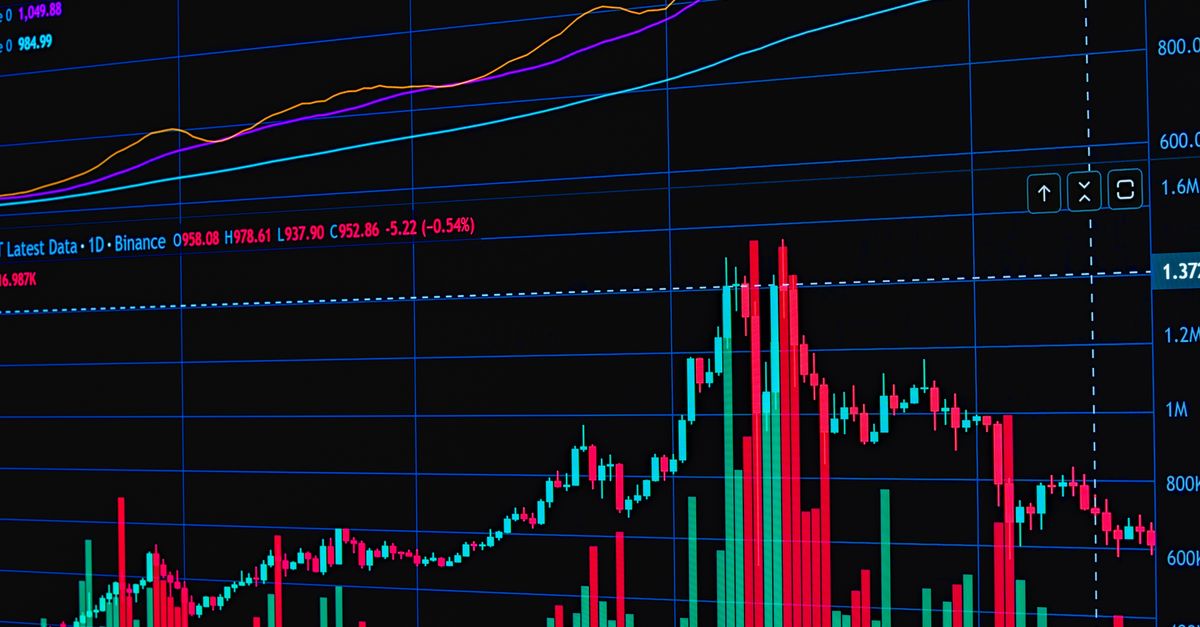
Bitcoin’s meteoric rally past $80,000 in early September captured headlines, only to stumble later that same day. An intraday low of $78,660 sparked alarm, but the cryptocurrency quickly clawed back toward the $80K mark, leaving traders scrambling for explanations. The decisive factor was not a technical glitch but a macro shock: an unexpectedly strong August jobs report that reshaped Federal Reserve policy expectations. This Bitcoin price dip illustrates how traditional economic data can ripple through the crypto market in real time.
The August Jobs Report – What the Numbers Said
The Bureau of Labor Statistics released August employment figures that far exceeded consensus forecasts. Non‑farm payrolls jumped by 162,000, a rate five times the 30‑day average growth, signaling a labor market still in expansion mode. The unemployment rate slipped marginally, and the labor‑force participation rate held steady, reinforcing the narrative of sustained hiring strength. Markets reacted instantly: the 2‑year Treasury yield spiked to 4.40% (up from just above 4.33%) and the 10‑year yield rose to 4.80% (up from just under 4.75%). Simultaneously, the dollar index climbed to 99.93 from roughly 99.04. These moves underscored the immediate impact of the jobs surprise on risk‑free rates and the greenback—a backdrop that would pressure risk assets like Bitcoin. [Source 1]
Fed Policy Expectations Shift After the Jobs Data
Before the report, many market participants were betting on a “no‑cut” outlook: the Fed would pause rate reductions, waiting for clearer signs of labor‑market weakness. The August payrolls, however, tipped the scales toward a “higher‑for‑longer” stance. With employment momentum robust, the Fed’s primary risk‑off narrative—lowering rates to cushion a slowing economy—lost credibility. Instead, policymakers could focus more confidently on inflation, which remains above target. The immediate consequence was a rise in short‑term yields and a firmer dollar, both of which tighten financing conditions for dollar‑denominated, risk‑on assets. Bitcoin, traded primarily in USD, found its macro‑environment suddenly less hospitable, contributing to the dip below $80K. [Source 1]
Bitcoin’s Technical Response to the Macro Shock
Price Action Timeline
- 09:30 UTC: Bitcoin slips past the $78,660 support level, triggering panic sells.
- 09:55 UTC: The price finds the 50‑day moving average near $79,200 and rebounds.
- 10:20 UTC: Bitcoin retests the $80,000 psychological barrier, closing the session just shy of it.
Key Technical Levels
- 50‑day MA: ~ $79,200 – acted as a magnet for buying pressure.
- 200‑day MA: ~ $77,800 – provided a deeper support that limited the downside.
- Fibonacci retracement (23.6%): ~ $78,650 – coincident with the intraday low, suggesting a buying opportunity for swing traders.
Correlation Snapshot
On the day of the report, Bitcoin’s intraday correlation with the 2‑year Treasury yield spiked to +0.68, indicating a strong inverse relationship: as yields rose, Bitcoin fell. The correlation with the DXY (U.S. dollar index) climbed to +0.57, reinforcing the view that a stronger dollar pressured a dollar‑priced asset. These statistical links underscore how quickly macro data can translate into crypto price dynamics. [Source 1]
Why the $80K “Policy Cushion” Vanished
The “policy cushion” refers to the buffer that anticipated Fed easing provides for risk assets. Investors had priced in a potential rate cut that would lower financing costs and sustain bullish momentum in Bitcoin. The August jobs surprise removed that cushion: with a thriving labor market, the Fed gained more leeway to keep rates elevated and concentrate on curbing inflation. Higher short‑term yields and a robust dollar therefore squeezed Bitcoin’s upside, erasing the previous policy‑driven support for the $80K level. [Source 1]
Broader Crypto Market Context – Funding Flows and Ledger Activity
While Bitcoin wrestled with macro pressure, other parts of the crypto ecosystem sent mixed signals. Southeast Asia’s crypto funding rebounded to $680 million, highlighting renewed investor confidence in mature regional firms despite global risk aversion [Source 2]. In contrast, the XRP Ledger reported fewer active accounts than a year ago, yet the average trade size grew, delivering greater total trade value [Source 3]. The divergence suggests that capital is gravitating toward established projects with clearer revenue models, while speculative participation—often mirrored in Bitcoin’s price—contracts when macro risk mounts. Together, these trends paint a nuanced picture of risk appetite across the broader market.
FAQ – Common Questions from Investors
Does a strong jobs report always depress Bitcoin? Not always, but a robust labor market can push the Fed toward a tighter stance, raising yields and the dollar—factors that historically correlate with Bitcoin pullbacks.
How long might Bitcoin stay below $80,000 if the Fed remains hawkish? If the Fed continues signaling “higher‑for‑longer,” Bitcoin could test the 200‑day MA around $77,800 before a new macro catalyst or a slower‑than‑expected inflation path sparks a rebound.
What macro indicators should crypto investors monitor next? Key data points include upcoming Fed minutes, June CPI, and the yield curve slope (2‑yr vs. 10‑yr). Shifts in any of these can quickly reshape risk sentiment and influence Bitcoin’s trajectory.
Bottom‑Line Takeaways for Crypto Investors
- Causal chain: August jobs surprise → Fed adopts a higher‑for‑longer outlook → short‑term yields rise & dollar strengthens → Bitcoin dips below $80K.
- Actionable insight: Diversify exposure across assets, keep a close eye on Treasury yield movements, and respect technical support zones (50‑day and 200‑day MAs).
- Strategic mindset: Rely on data‑driven analysis rather than hype; macro fundamentals will continue to dictate crypto price swings in the near term.