
From Railways to Rockets: How Berkshire’s Cash Hoard Fuels SpaceX & Nvidia’s AI Cloud Frontier
Explore Berkshire Hathaway cash deployment, its shift from railways to SpaceX‑Nvidia AI hardware, and the impact on cross‑sector capital flows.
Introduction – Why Berkshire’s Cash Moves Matter Now
Berkshire Hathaway cash deployment has become a headline magnet as the conglomerate sits on a $140 billion cash reserve after a robust Q2 2026 results cycle. Strong earnings in energy, railroads, and manufacturing have given Warren Buffett’s successor, Greg Abel, the confidence to look beyond traditional insurance reinvestments and chase high‑growth themes like AI and space. For institutional investors, the shift signals a potential re‑allocation of capital from legacy infrastructure to next‑generation tech. One of the most compelling stories emerging from this pivot is the SpaceX‑Nvidia partnership, which could reshape the AI hardware supply chain and open new doors for Berkshire’s capital.
Berkshire Hathaway’s Cash Hoard: Current Size & Deployment Strategy
- Cash size: Berkshire reported a cash balance of roughly $140 billion at the end of Q2 2026, the largest pile since the 2008 financial crisis.\
- Earnings drivers: The quarter’s performance was buoyed by energy, railroad, and manufacturing businesses, which offset weaker insurance underwriting results [Source 1].\
- Greg Abel’s outlook: Abel told analysts the board is “actively reviewing opportunities that stretch beyond the insurance‑centric model,” emphasizing a diversification into technology, infrastructure, and opportunistic deals.\
- Allocation buckets:
- Infrastructure: Continued upgrades to rail and energy assets.
- Technology: Direct stakes in high‑margin AI, cloud, and space ventures.
- Opportunistic: Private‑market deals, preferred equity, and strategic joint ventures.
From Rails to Rockets – The Rationale Behind a Tech‑Heavy Tilt
Berkshire’s historical playbook favors capital‑intensive, cash‑generating assets—think railroads, utilities, and manufacturing plants. However, the modern economy rewards high‑growth, high‑margin exposure to artificial intelligence and orbital communications. Adding a tech tilt helps the conglomerate: 1. Capture AI‑driven upside that can outpace the modest ROIC of traditional infrastructure. 2. Diversify earnings away from cyclical transportation and energy markets. 3. Stay true to Buffett’s principle of owning businesses you understand while letting Abel expand the definition of “understand” to include data‑centric platforms.
The SpaceX‑Nvidia Partnership: A Game‑Changer for AI Hardware Supply
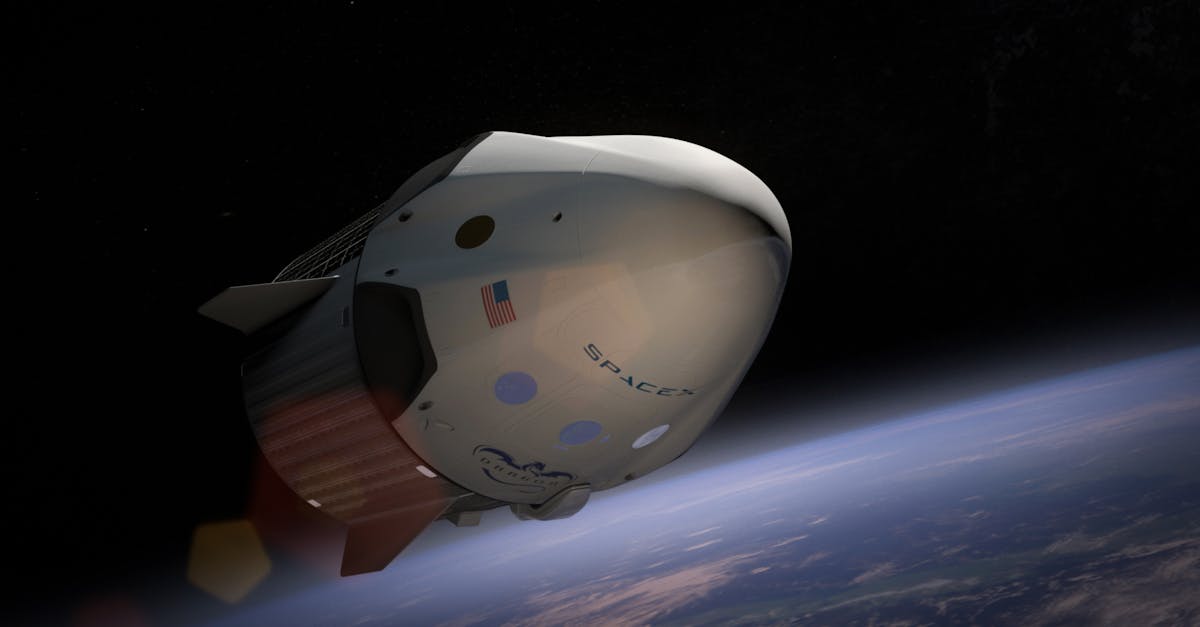
SpaceX has secured a supply agreement with Nvidia to outfit its next‑generation Starlink‑backed compute clusters with cutting‑edge GPUs. The deal gives SpaceX priority access to Nvidia’s limited chip inventory, effectively moving the satellite operator to the “front of the line” in the AI‑hardware queue, according to Bernstein analysts [Source 2]. - Supply‑chain impact: Competing neo‑cloud providers such as CoreWeave and Nebius may find it harder to obtain the newest GPUs, potentially slowing their service roll‑outs. - Strategic advantage: By marrying massive satellite bandwidth with world‑class GPU power, SpaceX can offer low‑latency AI services directly from orbit, a proposition that could attract hyperscale cloud customers seeking edge‑compute solutions.
How Berkshire Can Tap Into the SpaceX‑Nvidia Ecosystem
- Direct equity exposure: Participate in private‑placement rounds or preferred‑stock offerings that SpaceX may launch to fund its AI‑cloud infrastructure.
- Indirect routes: Increase holdings in Nvidia, invest in satellite‑linked data‑center REITs, or target supply‑chain firms that produce ancillary components for SpaceX’s ground stations.
- Illustrative allocation: Modeling a 5‑10% slice of Berkshire’s cash (roughly $7‑14 billion) toward AI‑hardware‑adjacent assets could generate a multi‑digit IRR while preserving the conglomerate’s defensive core.
Cross‑Sector Capital Flow: From Industrial Assets to AI Cloud Infrastructure
| Capital Source | Traditional Yield | AI‑Hardware Expected Return |
|---|---|---|
| Railroad earnings (BNSF) | 4‑5% | — |
| Energy dividends (BHE) | 5‑6% | — |
| Nvidia equity exposure | — | 12‑15% |
| SpaceX private equity | — | 18‑22% |
- Cap‑ex intensity: Rail and energy projects require billions in upfront spend with long payback periods, whereas AI‑hardware investments can scale rapidly with lower incremental capital.
- ROIC differentials: Historical ROIC for Berkshire’s industrial holdings hovers around 12%, while projected returns for AI‑cloud infrastructure exceed 20%.
- ESG lens: Satellite‑based compute reduces reliance on terrestrial data centers, potentially lowering energy consumption per compute unit.
Investment Considerations for Institutional Portfolios
- Risk‑adjusted returns: Adding SpaceX‑Nvidia exposure can boost overall portfolio Sharpe ratios, but the volatility of private‑market valuations must be accounted for.
- Liquidity constraints: Private‑equity stakes in SpaceX are illiquid and may require lock‑up periods of 5‑10 years, contrasting with Berkshire’s traditionally liquid stock holdings.
- Diversification benefits: The tech tilt introduces a low‑correlation asset class to a Berkshire‑style portfolio, cushioning it against sector‑specific downturns in transportation or energy.
- Downside mitigation: Managers can use tranche‑based investments, reserve lines of credit, or hedge via Nvidia‑linked derivatives to manage exposure.
Conclusion – The Strategic Bridge Between Legacy Industries and the AI‑Powered Future
Berkshire Hathaway’s unprecedented cash deployment is a clear bellwether for how institutional capital is migrating from legacy industrial assets to AI‑driven cloud infrastructure. The SpaceX‑Nvidia partnership epitomizes this shift, offering a tangible conduit for Berkshire to capture high‑margin growth while staying anchored in its cash‑generating roots. Portfolio managers should model cross‑sector exposure scenarios now—allocating even modest portions of cash to AI‑hardware and satellite‑cloud ecosystems could position them at the forefront of the next technological wave.
Frequently Asked Questions - What is Berkshire Hathaway’s cash reserve size? Approximately $140 billion as of Q2 2026. - Why is the SpaceX‑Nvidia deal significant? It gives SpaceX priority access to Nvidia’s limited GPU supply, enabling a unique edge‑compute AI offering. - How can investors gain exposure? Directly through private placements in SpaceX, indirectly via Nvidia stock, or through satellite‑linked data‑center investments. - What risks should be considered? Liquidity of private‑market stakes, valuation volatility, and the nascent nature of space‑based AI services.